Four stages, named deliverables, and a firm schedule before anyone touches your data.
Home > Our HubSpot implementation method
A successful HubSpot implementation does not start in HubSpot. It starts by understanding how you actually sell, then deciding what the tool needs to reflect of that reality. Here is the method we follow at Sekoia, stage by stage, with what we hand you each time and how long it takes.
HubSpot can be configured in an afternoon. That is precisely the problem. A portal built in a hurry takes the shape of the default settings rather than the shape of how you sell, and it then degrades with every addition: duplicate properties, workflows nobody dares touch, sales teams drifting back to their spreadsheets. Our method exists so the tool stays the one your teams open in the morning. It applies to every HubSpot engagement, whether a first implementation, a migration or taking over an existing portal. It extends what we do as a HubSpot Gold partner agency.
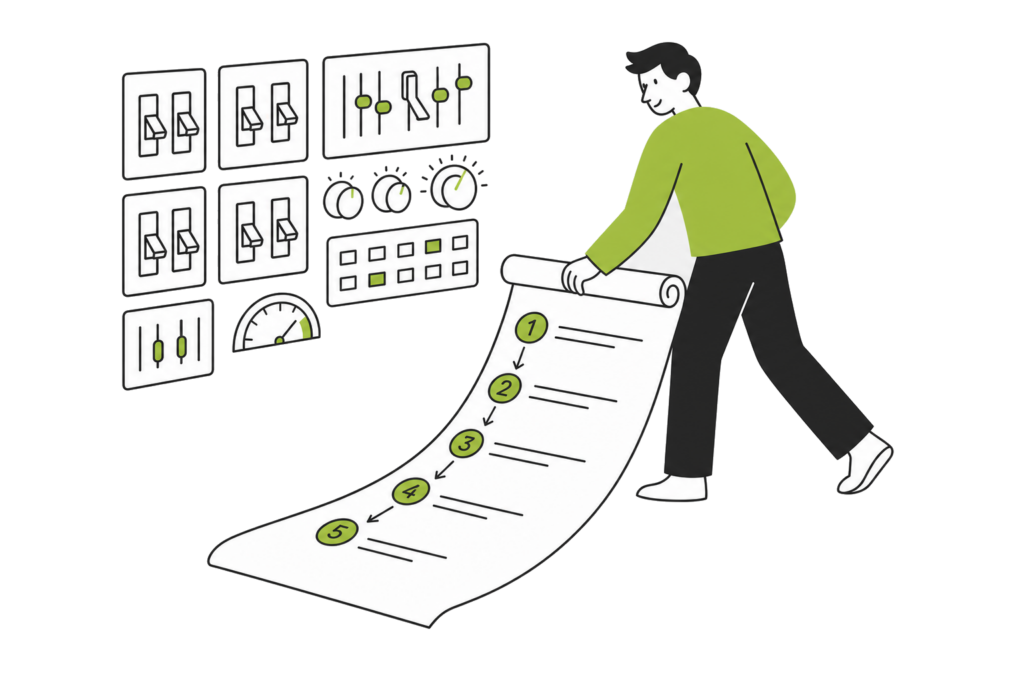
The diagnostic covers three things. Your sales processes first: who qualifies, who follows up, when an opportunity becomes real, and what moves a deal from one stage to the next. Your data next: its volume, its condition, the duplicates, the fields nobody fills in and the ones everybody depends on. Your objectives last: the decisions you need to be able to make while looking at a dashboard. We would rather spend time here than discover mid-deployment that two teams mean two different things by the word "customer".
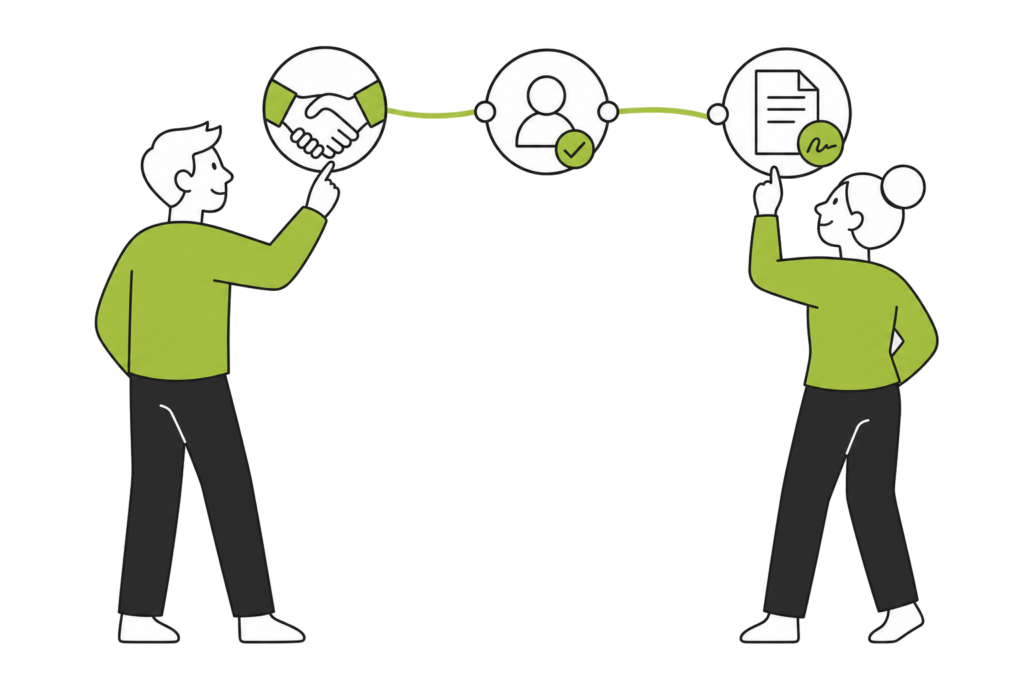
At the end of the diagnostic you receive a map of your processes as they work today, the condition of your data including the volume of duplicates to handle, the proposed portal architecture, and a schedule with a firm price. Nothing moves until you have approved those four pieces. That is our rule: we do not touch your data before you know exactly what is going to happen to it.
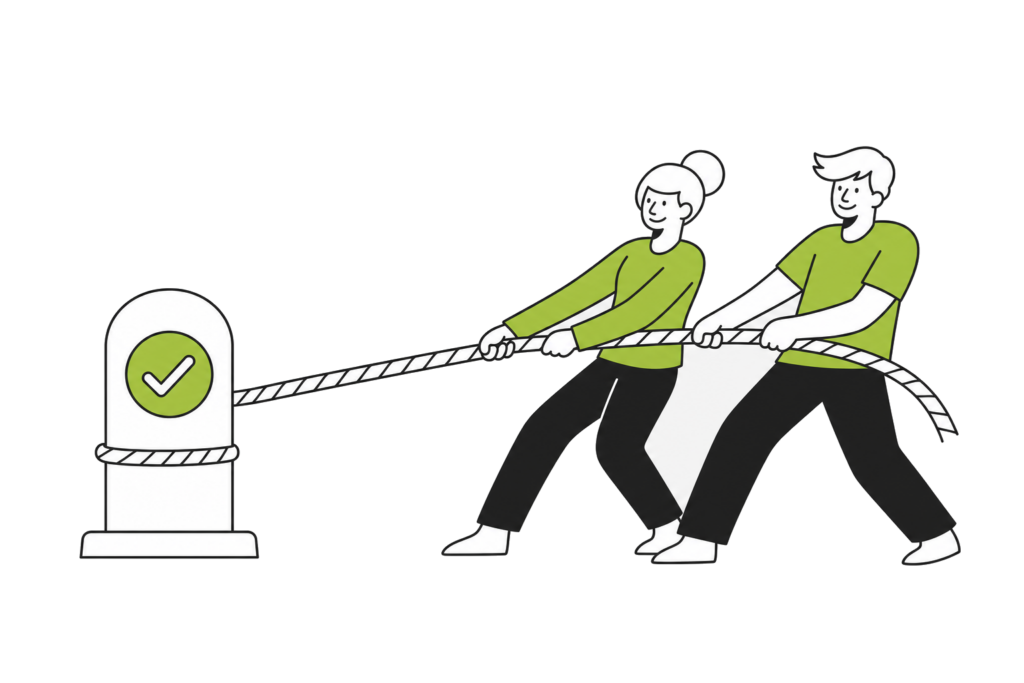
A method works both ways. We need someone who can settle a disagreement when two teams define the same word differently, access to your current tools, and a few hours from the people who actually sell. It is the part nobody enjoys scheduling and the part that decides everything after it: a CRM your teams did not help design is a CRM they will work around. Once the portal is live we track the indicators with you, and connect what needs connecting to the rest of your stack, through to measurement and to aligning your teams in RevOps.
Typical duration of a migration to HubSpot, depending on the volume and condition of the data, the number of teams to train and the tools to connect
Year Sekoia reached Gold tier in the HubSpot Solutions Partner Program, after becoming a partner in 2020
HubSpot onboarding fees to pay when your implementation goes through Sekoia, since we take onboarding on ourselves
Tools we have already connected to HubSpot for our clients
With a diagnostic, never with configuration. We map your sales processes, inventory your data and establish the decisions your dashboards will need to support. Only then do we design the portal. Configuring first and understanding later is the surest way to reproduce inside HubSpot the problems you already had.
The diagnostic and the architecture take up the first third of the engagement, deployment the rest. For a migration, expect 3 to 8 weeks in total, depending on the volume and condition of your data, the number of teams to train and the tools to connect. We hand you a precise schedule at the end of the diagnostic, before touching your data.
We clean it before moving it, never after. Migrating duplicates means paying twice for the same problem, and discovering six months later that your reports count some customers twice. The volume of duplicates to handle is part of what the diagnostic hands you, so you know what to expect.
Yes, and it is a good part of our work. The method does not change: we audit the existing portal instead of starting from a blank page, clear out the properties and workflows, then rebuild what needs rebuilding. The first items are almost always the same: duplicate properties and workflows nobody dares touch.
We do. Training is part of deployment, not an option added afterwards, and it is aimed at the people who will actually use the tool rather than at administrators alone. A well-built portal nobody knows how to use is no better than a badly built one.
You do not pay it when you come through us. Because we are a Gold partner, Sekoia takes your onboarding on: there are no HubSpot onboarding fees to settle on top of your subscription.
Sekoia is a lean growth agency that helps small and medium-sized businesses perform better in highly competitive markets. Pioneers in Generative Engine Optimization (GEO) in Quebec.
COPYRIGHT @ SEKOIA – 2026